

NOMAD HOUSE
A small mountain home perched on a craggy peak in the Pacific Northwest.
Nomad started with a raw, fully exposed, rocky, site shaped by a previous developer and weather over time. The goal wasn’t to tame the landscape, but to work with what was already there while embracing the high exposure. Keep it simple, durable, and in tune with the landscape.
The house reflects the owner’s way of nomadic living; light, mobile, and connected to the outdoors. Not a place for excess, more a place to return, retreat, and gather.
-
SITE
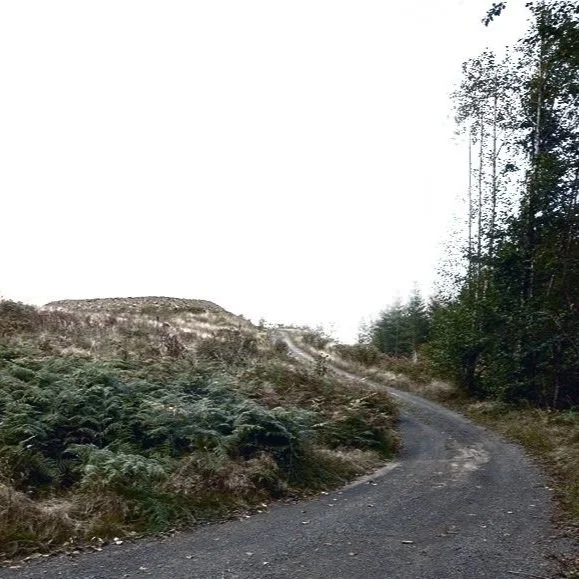
The approach to Nomad is part of its magic, getting there is part of the experience. A narrow, winding road climbs through rock and low vegetation, with each turn opening up bigger views. This sense of adventure, discovery, and arrival was a key element in the design that inspired the owner. By the time you reach the top, it feels a bit removed; quiet, exposed, and expansive in every direction. The site itself had already been leveled before construction, leaving behind a hard surface of rock and rubble. Rather than overworking it, the approach was to build directly on it. A mat slab foundation sits right over the rock, minimizing excavation and letting the house settle into the terrain instead of reshaping it.
PROGRAM
The house is meant to do just enough and no more. It works as both a personal retreat and a place to gather for family and friends, but everything is pared back. Reflecting the owners' minimalist, nomadic lifestyle (a traveler who carries few possessions) the design follows that lead: fewer things, more intention. Spaces are flexible and straightforward, organized to support day-to-day living without feeling overly defined. It’s less about rooms and more about how you move through it, how you pause, and where you land.
DESIGN
Nomad was designed to capture a sense of adventure inspired by the owner’s childhood hikes up lookout towers and world travels. Conceptually, the design is influenced by fire lookouts and backcountry tents focused on simple structures that are exposed, efficient, and thoughtfully positioned in their surroundings. The structure is organized on a clear 10-by-10 grid, with a steel and wood post-and-beam frame carrying through all three levels. Wrapped over that is a kind of “skin” made from SIPs panels forming the roof and walls keeping things tight, efficient, and durable against the elements. Materials were chosen to age with the site rather than fight it. Steel, wood, and simple finishes that can take on weather and time without needing constant attention. Inside, it stays minimal. Structure is expressed, materials are left honest, and light does most of the work. Views are framed deliberately, obviously panoramic, but also with more controlled moments that connect you back to the landscape.


Nomad is designed to thrive in its rugged environment. High exposure, rocky terrain, and extreme weather are embraced rather than subdued. Inside and outside, a firepit serves as the social heart of the home, embodying the owner’s love for flame-lit conversations.


At its heart is a southwest-facing gathering area with an exposed wood-beamed ceiling, expansive windows, and a simple steel fireplace. In the evenings, the space comes alive as dusk settles over the landscape, framing the flicker of flames against the mountain views.


PROJECT INFO
Location | Amboy, Washington
Project Architect | Aaron Trampush
Architecture and Interiors | Analog Architecture and Design
Structural Engineer | Carter Quinn Norlin
Visualization | Briony Walker Architectural Visualization